
-
×
 Gewone Wieke / Common Vetch - 25kgs
1 × R1 600,00
-
×
 Dandelion Root Cut 500g
1 × R400,00
Growing guides
Compost for a Vegetable Garden: How to Start and When to Use It
24
Oct
Oct
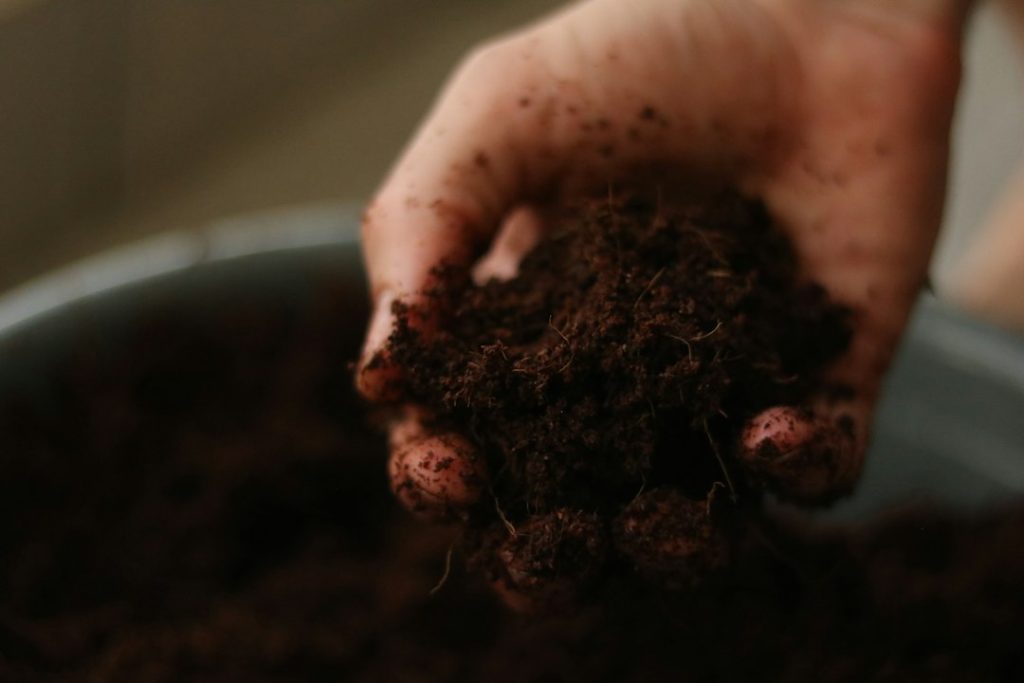
Photo: Alicia Christin Gerald / Unsplash
Soil health · South Africa
Compost is decomposed organic material used to improve soil. For a first vegetable garden, the most useful approach is to start a manageable composting system and learn to recognise finished material before adding it to a bed.
Choose a system you can maintain
A garden heap, compost bin and worm system have different space and management requirements. Pick one that suits your home and the material you generate. Follow the instructions for that system rather than treating every type of composting as interchangeable.
Be selective about inputs
Suitable fruit and vegetable scraps and garden material can be useful inputs. Keep plastics and other litter out. For a beginner system, avoid meat, oily cooked food and pet waste. If you are unsure whether a material is suitable, leave it out until you can check reliable guidance.
Look at the material, not only the calendar
Composting speed changes with the system and conditions. Finished compost should be well broken down; the City of Cape Town describes ready compost as dark and crumbly. Do not assume a batch is finished just because a particular number of weeks has passed.
Make a useful compost log
- Record when you started the batch.
- Note the main materials added.
- Record any strong odour, excessive wetness or persistent dry patches.
- Keep a note of when the finished batch was used and in which bed.
Does compost replace every fertiliser?
No. Its composition varies, and a crop may still have particular nutrient needs. For ongoing poor growth or a larger production area, a soil test and crop-specific advice are more useful than repeatedly adding unknown quantities.
Plan your next crop with the sowing calendar and prepare the bed before choosing your seeds.
Further reading
City of Cape Town: start composting at home
General guidance should be adapted to your site, crop and seed variety.
