

Growing guides
Why Are My Seeds Not Germinating? A Practical Troubleshooting Guide
Oct
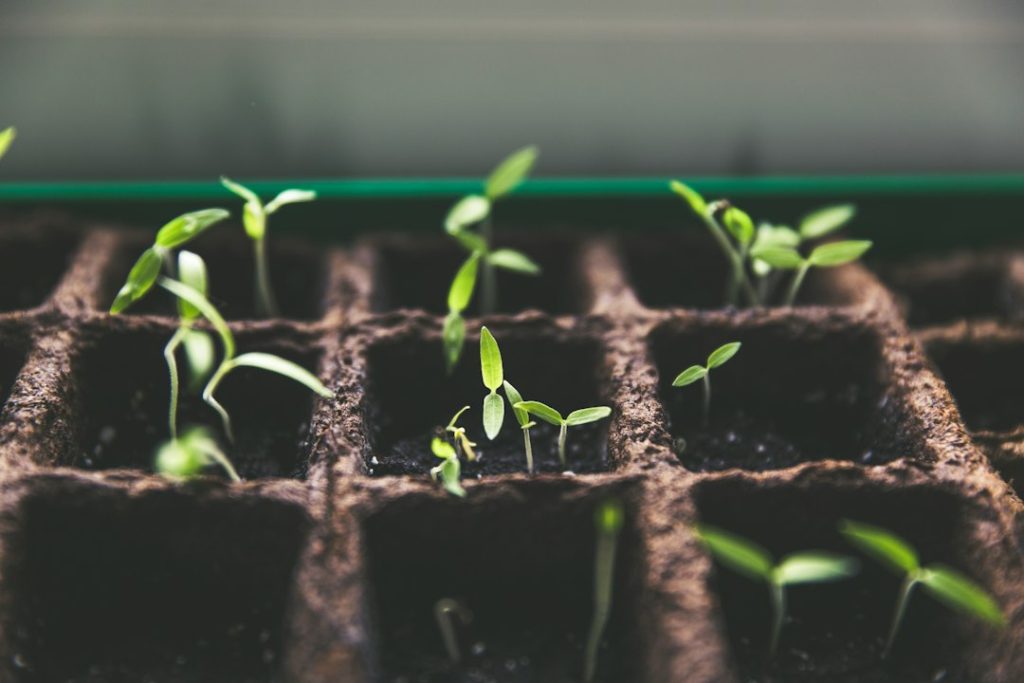
Photo: Markus Spiske / Unsplash
Seed starting · South Africa
If your seeds have not emerged, first compare the elapsed time with the instructions for that crop and variety. Different seeds germinate at different speeds. Re-sowing immediately can create confusion if the first batch is simply slower than expected.
Check four common causes
- Moisture: the growing medium needs suitable moisture during germination. Drying out after germination begins can damage developing seedlings.
- Temperature: a seed tray’s conditions may differ from the surrounding air. Check the crop’s requirements.
- Depth: use the packet instructions. Seeds vary in how much covering they need.
- Storage: heat and damp conditions can reduce seed quality. Record when and how you stored an opened packet.
Separate germination from seedling problems
A seed that never emerged is different from a seedling that emerged and then collapsed. If you saw shoots first, investigate the growing conditions after emergence as well. Clear covers used during germination should be removed when appropriate after shoots appear, and seedlings need adequate light.
Run a small, labelled comparison
Before repeating a large sowing, try a small batch in a clean container. Label the crop, date and growing medium. Change one suspected problem at a time so the result is easier to interpret. A home comparison is a practical observation, not an official laboratory germination result.
What information helps when asking for advice?
Share the seed variety, packet or batch information, sowing date, depth, location, watering routine and photographs of the tray. Include whether any seedlings emerged before failing.
Check the local planting season, then contact Germinico if you need help narrowing down the cause.
University of Maryland Extension: starting vegetable seeds
General guidance should be adapted to your site, crop and seed variety.
