

Growing guides
Water-Wise Vegetable Gardening in South Africa: Start with These Habits
Oct
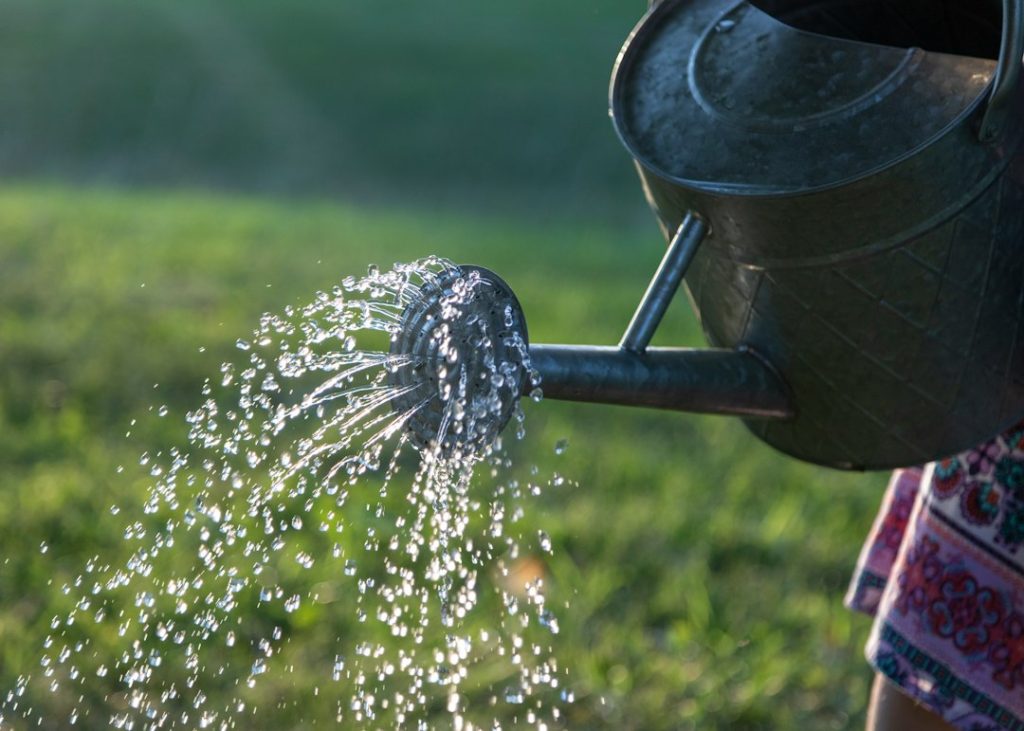
Photo: David Ballew / Unsplash
Water-wise growing · South Africa
A water-wise vegetable garden begins with a realistic planting area. Grow what you can irrigate consistently, then improve how that water reaches the roots. Climate-smart growing is receiving attention because water availability shapes what households and small farms can produce.
Match the garden to your water supply
Before buying seed, consider your water source, local restrictions and the time you have for watering. A small, well-managed bed can be a better starting point than a large plot that repeatedly dries out. Group crops with similar water needs where practical.
Check before you water
Look below the dry surface rather than watering by appearance alone. Containers, young seedlings and established beds behave differently. Keep a record of what you observed, when you watered and any rainfall. Adjust your routine to the actual crop and weather.
Make each watering purposeful
Drip irrigation can deliver water close to plants, but it still needs inspection. Check for blocked outlets, leaks and uneven wetting. Mulch can help protect exposed soil; keep it away from stems and avoid burying emerging seedlings. Improve soil gradually rather than expecting a single product to solve drainage or moisture problems.
A practical weekly review
- Inspect watering equipment.
- Check moisture in more than one part of the bed.
- Remove weeds competing with young crops.
- Review the forecast before the next sowing.
Is there one correct watering schedule?
No. Soil, containers, weather and crop stage all affect demand. Avoid treating a fixed number of minutes as a universal rule.
Use the sowing calendar to plan your season and contact Germinico for help choosing suitable seeds.
Solidaridad: climate-smart vegetable gardens
General guidance should be adapted to your site, crop and seed variety.
