

Growing guides
Starting a Community Food Garden: A Practical South African Checklist
Oct
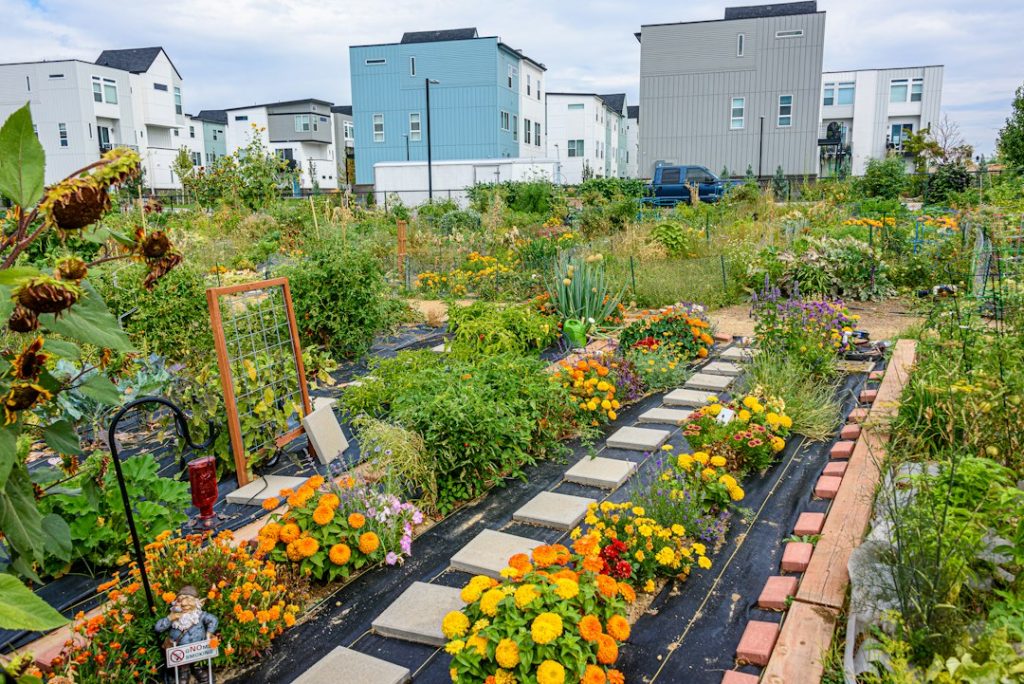
Photo: Steve Adams / Unsplash
Food gardens · South Africa
A community food garden needs a shared operating plan as much as it needs seeds. Agree on access, water, maintenance and harvest rules before preparing a large growing area.
Why this topic matters now
A 2026 study of gardeners in Johannesburg examined community and household gardens in relation to food security and climate resilience. It highlights both the potential of urban growing and the need to consider social and environmental conditions together. A garden is not a guaranteed solution to household food insecurity.
Set the rules before planting
Confirm permission to use the land and agree who can access it. Decide how tools will be stored, who can spend shared funds and how members will communicate. Write these decisions down in plain language so newcomers can understand them.
Plan the weekly work
- Water: identify the source, cost and person responsible for each day.
- Crop care: divide inspections, weeding and maintenance.
- Harvest: agree how produce is shared or sold.
- Records: nominate someone to log costs, sowings and harvests.
Begin with a pilot area
Use a small section to test whether the group can maintain a reliable routine. Choose crops that fit the season and the group’s needs. Scale up after reviewing what was harvested, what was wasted and which tasks were difficult to cover.
What should the first meeting produce?
A short written plan: site permission, the water arrangement, a crop shortlist, a basic budget, a duty roster and a harvest agreement. Add a review date so that problems can be addressed before the next planting.
Use Germinico’s provincial sowing calendar as a planning aid and contact our team about seed quantities for your project.
2026 Johannesburg community-gardening study
General guidance should be adapted to your site, crop and seed variety.
