

-
×
 Red Bitter Sorghum - per 25 kg
1 × R700,00
-
×
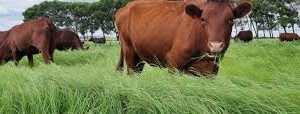 Tefgras/Teffgrass (Eragrostis tef) - SA Bruin/SA Brown per kg
1 × R80,00
Growing guides
Sorghum Planting in South Africa: Timing, Moisture and Variety Choice
24
Oct
Oct
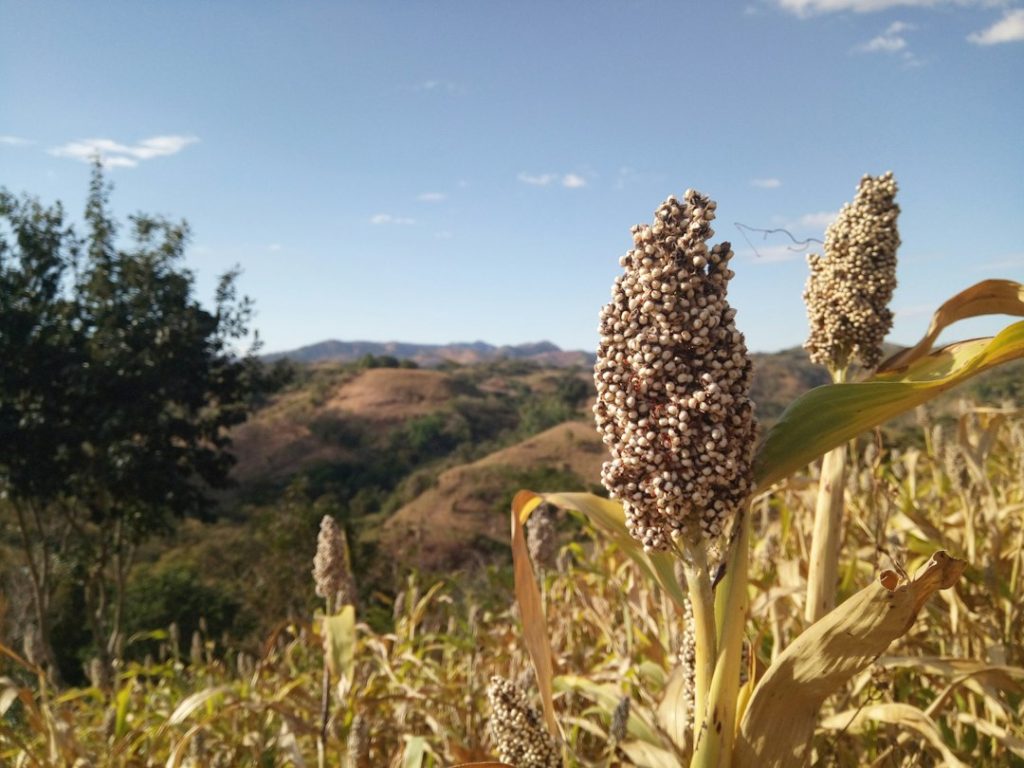
Photo: Luis Rodriguez / Unsplash
Field crops · South Africa
Sorghum planting works best when the variety, intended use and local conditions are considered together. It is a warm-season crop, and the decision to plant should involve soil warmth and moisture rather than a calendar date alone.
When is sorghum planted?
The Sorghum Trust gives mid-October to mid-December as a general South African planting period and advises planting after the last frost. Local conditions and cultivar requirements still matter. The same broad window will not produce the same result in every district or season.
Look beyond annual rainfall
The timing and distribution of rain matter as well as the annual total. Consider whether the crop’s important moisture-demand stages could coincide with a dry period. Confirm sowing depth and plant population with recommendations suited to your soil, variety and production system.
Choose seed for the job
Clarify whether the crop is intended for grain, fodder or another use. Write down any buyer’s requirements before ordering. If you are comparing products, compare the same seed type, pack size and intended application rather than price alone.
A pre-planting discussion checklist
- Field location and previous crop.
- Expected planting date and remaining frost risk.
- Soil conditions and available moisture.
- Variety, intended use and target buyer.
- Planting equipment, weed management and harvesting plan.
Is sorghum guaranteed to succeed in dry conditions?
No. Sorghum is grown in areas with variable rainfall, but crop establishment and yield still depend on conditions and management. Treat resilience as a reason to investigate suitability, not as a yield guarantee.
Browse commercial seeds or ask Germinico about the details you need before placing an order.
Further reading
General guidance should be adapted to your site, crop and seed variety.
