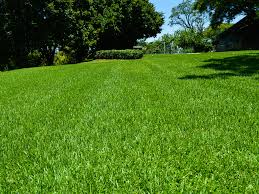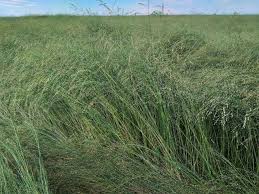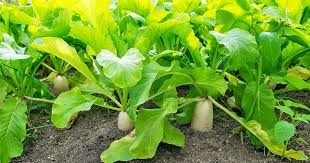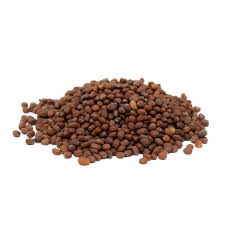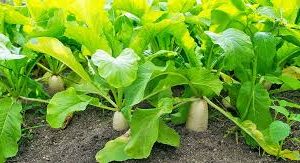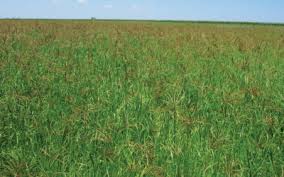
In South Africa, the Japanese radish (Raphanus sativus) is commonly referred to as Japanese radish or, more frequently in farming circles, forage radish or fodder radish. It is primarily cultivated as a high-quality feed source for livestock and for its benefits in conservation agriculture practices.
- Fodder/Forage (Viehvoer/Voer): The main use is as a fodder bank or stand over feed to bridge the notorious “fodder flow squeeze” or feed shortages experienced during winter when traditional pastures struggle. Both the leaves and the large roots (sometimes referred to as bulbs by local farmers) are grazed by livestock, such as cattle and sheep, using rotational grazing methods, often with electric fencing.
- Cover Crop/Green Manure: It is extensively used as a cover crop (dekgewas) or green manure (groenbemesting) within mixed farming operations and rotation systems, especially with rainfed maize (mielies) and soybean crops.
- Tillage Radish (Grondbewerking Radys): Due to its deep taproot, it is recognize
- for its ability to naturally alleviate soil compaction, acting as a “biodrill” or natural tillage system. When left in-field to decompose, the roots leave channels that improve water infiltration and soil aeration.
- Cultivars: Popular South African cultivars developed by the Agricultural Research Council (ARC) at Cedara include ‘Nooitgedacht’ and ‘Endurance’.
In essence, this versatile crop is a key tool in South African regenerative farming for improving soil health, providing vital winter grazing, and helping farmers manage the challenging dry seasons, particularly under dryland conditions or strategic irrigation.

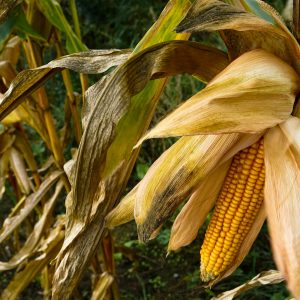
Geelmielies Oopbestuifde Cultivars / Yellow Maize Open Pollinated Cultivars 5kg 


Reviews
There are no reviews yet.